 Join Our WhatsApp Channel
Christmas Travel Guide to Spain: Magical Towns, Festive Markets & the Best Winter Hotels and Airbnbs

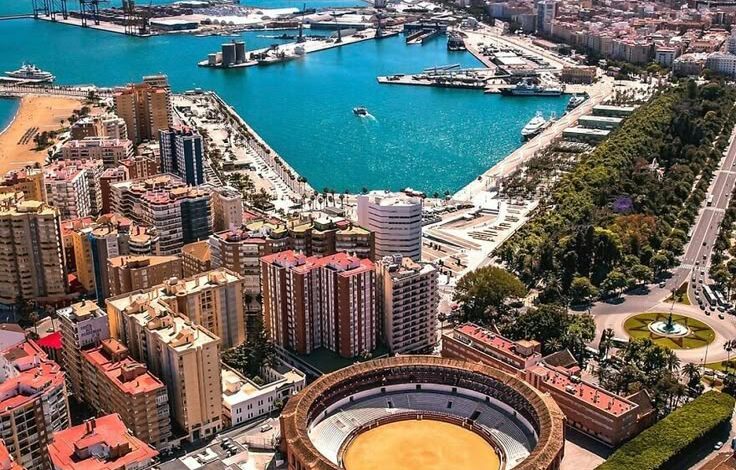
Spain at Christmastime is a beautiful secret that many travelers still overlook, and that is a truly wonderful thing. Instead of the frantic, often overcrowded atmosphere you might find in other parts of Europe, a Spanish Christmas feels warm, deep, and wonderfully long. The festive season here stretches far past December 25th, culminating in the dazzling spectacle of Three Kings’ Day on January 6th. This means you have a much wider window to soak up the true spirit of the holidays, all while enjoying the country’s distinct traditions, often under pleasantly mild winter sunshine. Forget the idea that Christmas needs to be all about snow and sub-zero temperatures, because in Spain, the magic comes from the light, the community, and the unforgettable food.
The heart of the Spanish Christmas experience is not centered around a single day, but rather a sequence of meaningful celebrations. This difference from the customs of northern Europe is what makes traveling here so rewarding. For a start, gift-giving is traditionally reserved for Día de Reyes or Three Kings’ Day, which is the Epiphany. This means that Christmas Day itself, or Navidad, is a time focused purely on family, faith, and an incredible, late-night meal on Christmas Eve, known as Nochebuena. Imagine a festive dinner that doesn’t even begin until 10 PM, with families gathering for a lavish feast that might feature roasted suckling pig or perhaps a huge array of fresh seafood, depending on the region. This meal is followed by the Misa del Gallo, the Midnight Mass, which has a deeply communal feeling even if you aren’t religious.
When you walk through Spanish cities in December, the first thing that strikes you is the light. The major cities, and even the smaller towns, spend an incredible amount of time and effort creating stunning light displays that are truly works of art. These aren’t just strings of simple bulbs; they are often elaborate, three-dimensional installations that turn the main avenues into shimmering, magical tunnels. Málaga, for example, has become famous worldwide for the light show on its main shopping street, Calle Larios. This spectacle is synchronized to music and draws massive crowds every night, creating an atmosphere that is electric and joyfully overwhelming.
Beyond the major city lights, you must dive into the traditional Spanish Christmas markets. These markets, known as mercadillos, have a character all their own and tend to focus on specific, local traditions rather than just selling generic trinkets. In Barcelona, the Fira de Santa Llúcia is the oldest and most famous, set right next to the Gothic Cathedral. It’s a place where you won’t find much mulled wine, but you will find thousands of meticulously crafted figures for the Belén, or Nativity Scene. The Belén is hugely important in Spain, often recreating entire miniature towns instead of just the stable. You’ll also encounter the hilariously unique Catalan tradition of the Caga Tió, or “pooping log,” which is a small, smiling log that children “feed” in the weeks leading up to Christmas and then beat with a stick to make it “poop” presents. This level of quirkiness and tradition is what makes a Spanish market visit so memorable.
Meanwhile, the historic Plaza Mayor Christmas Market in Madrid is the quintessential market experience for the heart of Spain. This market has been running for centuries and is the perfect place to buy everything you need for your Belén, from shepherds and angels to the all-important moss and sand for the landscape. What’s perhaps even more fun about this market is that a large section is traditionally dedicated to joke items and novelty wigs for Día de los Santos Inocentes (December 28th), which is Spain’s equivalent of April Fool’s Day. The sheer range of weird and wonderful things you can buy reflects the wonderfully playful side of the Spanish holiday spirit.
For a true sense of the country’s regional charm during the winter, you should look beyond the big cities and explore some of Spain’s magical towns. These smaller locations often feel like they’ve been pulled right out of a Christmas movie, especially when a dusting of winter frost covers their ancient stone. One perfect example is Ronda in Andalusia. Perched dramatically on either side of a deep gorge, the town’s old-world beauty and quiet, peaceful atmosphere offer a wonderful contrast to the bustling city centers. While it may not have the largest market, its winding, cobbled streets, ancient stone bridge, and quiet plazas offer a timeless setting for a winter retreat. Staying here allows you to experience the authentic, slower pace of an Andalusian Christmas.
Further north, if you are dreaming of a classic, snow-dusted Christmas, you must consider the towns in the Val d’Aran region of the Catalan Pyrenees. Villages like Vielha or Arties offer a completely different kind of Spanish holiday. Here, you will find alpine chalets, roaring fires, and the opportunity for skiing at the famous Baqueira-Beret resort. The architecture is stone and wood, reminiscent of the French Pyrenees, and the air is crisp and cold. Imagine wrapping up in layers, watching the snow fall outside a cozy window, and then heading out for a dinner of hearty mountain food like olla aranesa, a traditional, rich soup. This is Spain, but with a definite touch of winter wonderland magic.
When it comes to deciding where to sleep, your accommodation choice can truly define your entire Christmas experience. You have two main routes: the grand, historic hotel experience, or the cozy, authentic Airbnb stay. For the grand option, cities like Madrid and Seville excel. In Madrid, look for a boutique hotel near the Plaza Mayor or the Gran Vía that offers a classic Christmas Gala Dinner package for Nochebuena or New Year’s Eve. These hotels go all-out with their decorations and offer an elegant, fuss-free way to enjoy the big celebration nights. In Seville, the famous Hotel Alfonso XIII is a historic palace that transforms into a magnificent, warm oasis during the winter, providing a luxurious base for exploring the Andalusian Christmas scene, where the weather is often mild and sunny.
However, many travelers find that a private rental, like an Airbnb, offers a much more authentic way to experience the Spanish holidays. This is especially true if you are traveling with family or planning to stay through Three Kings’ Day. Finding an apartment with a great kitchen, perhaps in the Gothic Quarter of Barcelona or the Albaicín neighborhood of Granada, allows you to truly settle in. You can shop at the local mercadillo for turrón (the traditional almond nougat), buy your own figurines for your little tabletop Belén, and even attempt to make some regional Christmas sweets like polvorones (crumbly almond cookies). This kind of self-catering lets you live like a local, giving you a quiet home base to retreat to after a long night of enjoying the city lights.
For a unique and truly cozy winter Airbnb experience, look for a casa rural or a rural guesthouse in one of the lesser-known regions. The inland areas like Extremadura or the Sierra de Gredos near Madrid offer stunning scenery and stone-built homes with crackling fireplaces. These are often restored farmhouses or ancient stone cottages, providing a tranquil escape where the only sounds are the wind and maybe the occasional cowbell. Imagine a week spent hiking through quiet, winter landscapes by day and spending your evenings curled up with a book and a bottle of local Spanish wine. It’s the perfect antidote to the stress of a typical holiday season.
Another great destination for a very visual Christmas is Vigo in Galicia. In recent years, this coastal city has made a huge name for itself, challenging Málaga for the title of Spain’s best-lit Christmas city. They spend a phenomenal amount of money and effort on their lights, turning the entire downtown into an extravagant, dazzling display. It has become a destination in itself, drawing visitors from across the country just to see the sheer scale of the illumination. If your main goal is to see absolutely jaw-dropping light displays and enjoy a very modern, high-energy festive atmosphere, Vigo should absolutely be on your list. Being in the northern region of Galicia, you should be prepared for cooler, possibly wetter weather, but the electric excitement of the crowds definitely makes up for it.
The final piece of advice for a truly magical Christmas trip to Spain is to embrace the timing. As mentioned, the peak of the celebration is not December 25th, but Día de Reyes on January 6th. The evening before, January 5th, is when the grand Cabalgata de Reyes (Three Kings’ Parade) takes place in every single city and town. This is the main event. These parades are spectacular, with huge, elaborate floats carrying the Three Kings, who throw literally tons of sweets and candy to the crowds of eager children and adults. You will see grand, ornate costumes, hear festive music, and feel the kind of joyful anticipation that is truly special.
If you can extend your trip until January 7th, you will have experienced the full Spanish Christmas journey, from the lottery hype of El Gordo on December 22nd, through Nochebuena, New Year’s Eve (where you try to eat twelve grapes at midnight for good luck), and finally to the grand finale of the Three Kings. This whole period feels like one long, warm, communal celebration.
Spain offers a Christmas that is rich in tradition, stunningly beautiful, and wonderfully different. Whether you choose the bustling, glittering lights of a city like Madrid or Málaga, the quiet, historic charm of a town like Ronda or Salamanca, or the snowy peaks of the Pyrenees, you will find a festive spirit that is open, generous, and truly authentic. The focus on family, the incredible gastronomy, the unique traditions, and the sheer length of the season mean you can properly relax and enjoy a holiday that goes far deeper than commercialism. It is a place where you are not just a tourist, but a welcome guest in a deeply rooted, annual family party.
